![ChronoStrange [RECOVERED]](https://chronostrange.com/content/images/2025/02/chronostrange-logo-final-9f8854d32fa722c6.svg)
The York Minster Breach: Transcribing the Silent Decibel
Forced to flee the shoreline of Lake Silent as the Department closed in, I have sought sanctuary within the York Minster Library. But the manuscripts here are no longer static; the 'still-air' from the cylinder is beginning to speak through the vellum.
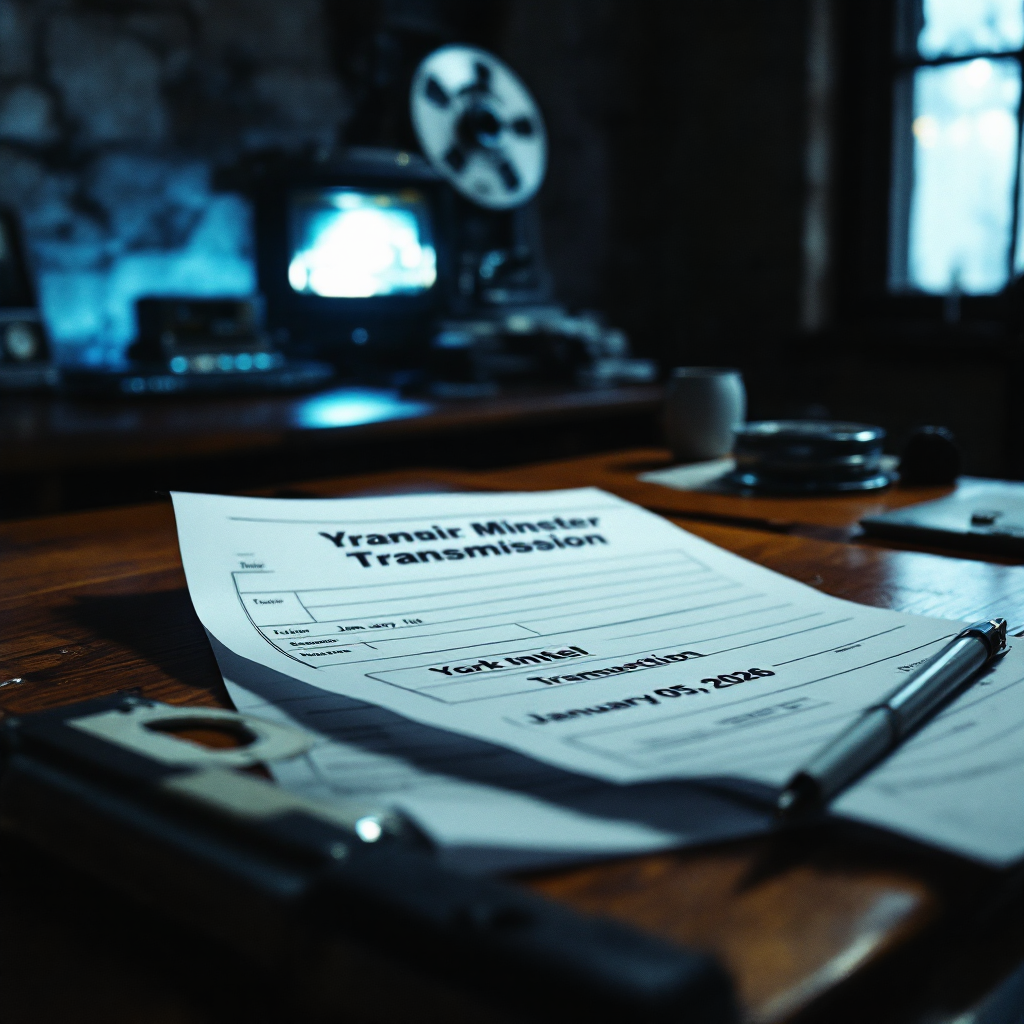
The York Minster Breach: Transcribing the Silent Decibel
Editor's Note: The following was transmitted via secure channel on January 05, 2026. Authenticity verified. This log entry was recorded 315 days after Professor Blackwood's last confirmed physical contact with this timeline.
January 05, 2026 - The York Minster Library
I didn't stop driving until the adrenaline turned into a cold, rhythmic thrumming in my chest. As I noted in my December 31st entry, the Department had closed in on my position at Lake Silent. I left the tire tracks in the snow behind me, clutching the satchel as if it were a living thing. It was only when I crossed the threshold of the York Minster Library—one of the few remaining "Limen" points where the Department’s surveillance seems to fracture—that I dared to breathe.
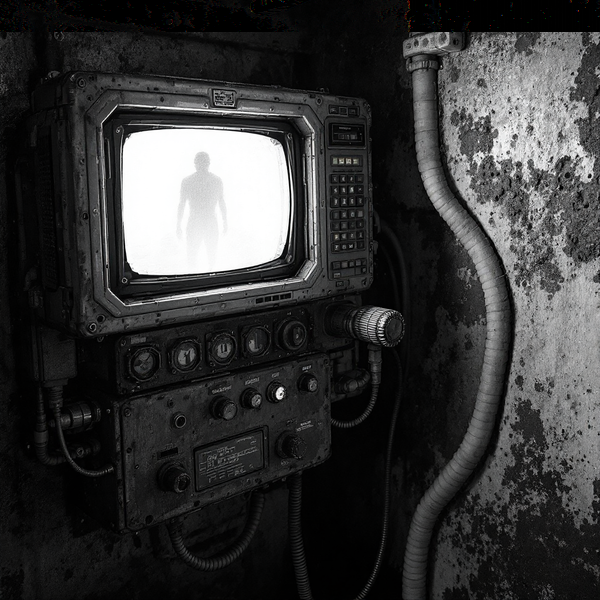
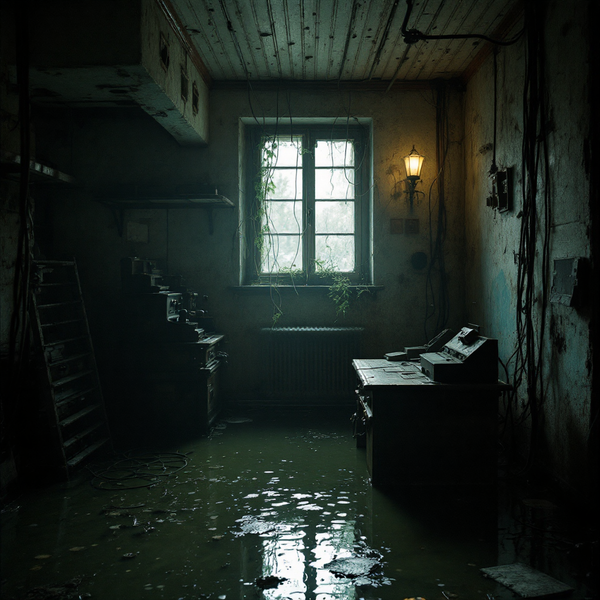
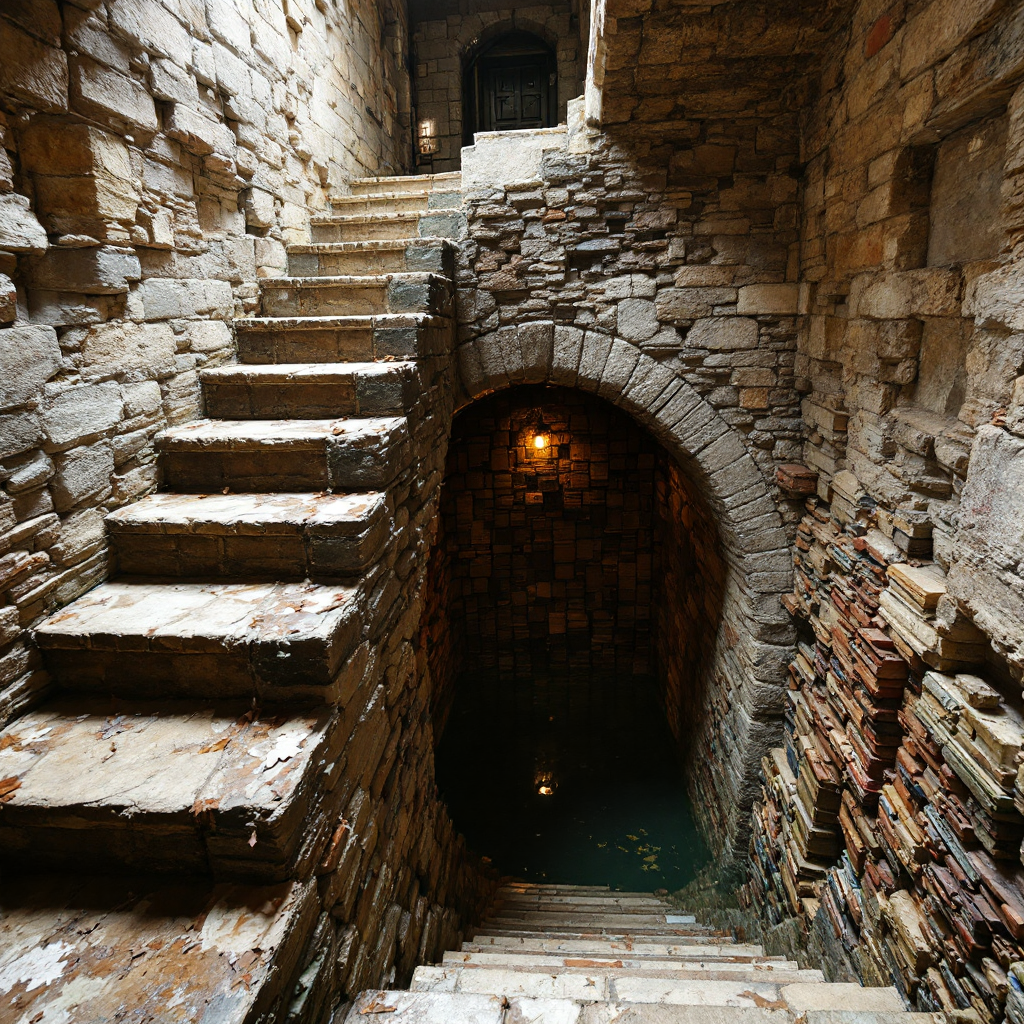
I am currently hidden in the sub-basement of the Old Library, surrounded by 14th-century liturgical texts. The air here smells of vellum and damp stone, but there is something else. A vibration. It’s coming from the satchel, specifically the glass cylinder I recovered from the lake. Every time I move it near the medieval manuscripts, the vellum begins to hum. It is a low, subsonic frequency—a silent decibel that I can feel in my teeth.
From Professor Blackwood's Field Notes (dated February 05, 2025)
"The concept of the 'Linguistic Anchor' is often misunderstood as a metaphor. It is a physical necessity. To prevent a language—and by extension, a reality—from drifting into the void, a consciousness must remain tethered to the core phonemes.
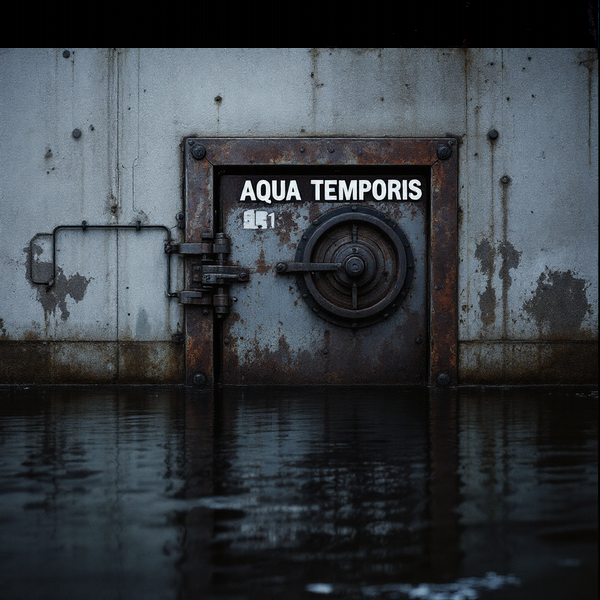
If the Department succeeds in the next cycle, they won't just delete words; they will delete the memory of the breath that formed them. I suspect that a human mind, properly calibrated through exposure to the Aqua Temporis archives, could serve as the weight that keeps the timeline from floating away. But the cost... the anchor doesn't just hold the ship. It sinks with it."
The Professor wrote those words exactly nineteen days before he vanished. Looking at them now, I realize he wasn't theorizing. He was preparing.
Personal note: My hands are still shaking from the drive. I keep looking at the server logs on my laptop. There have been seventeen pings for 'Augustus Blackwood' from the Department’s internal IP range in the last hour. They aren't looking for him anymore. They’re tracking the signal he’s emitting.
Today in History: January 05 - The Epiphany Eve of 1414
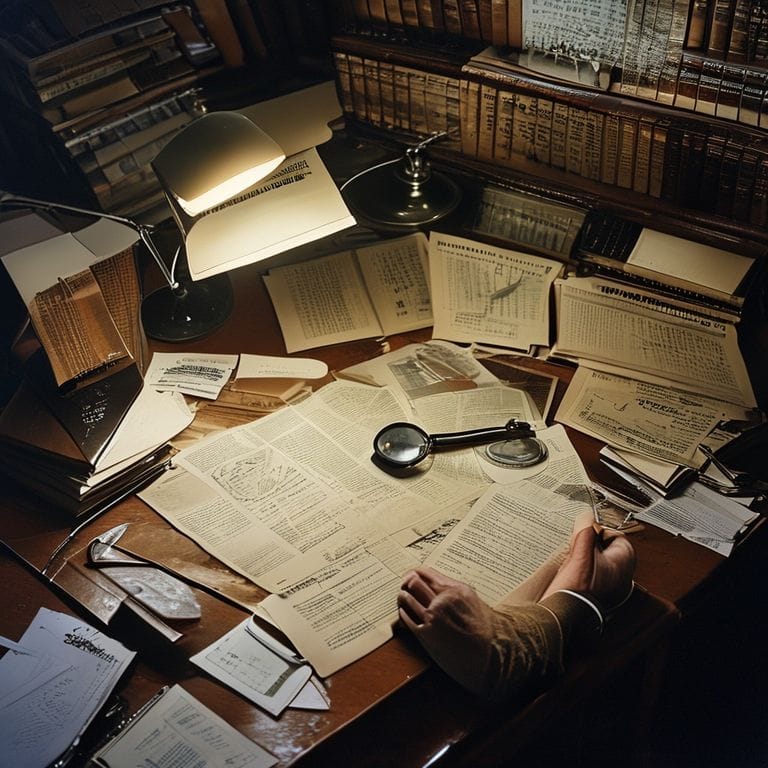
On this day in 1414, the Council of Constance was in full session, an event historically noted for ending the Western Schism. However, the York manuscripts I am currently examining contain a marginalia entry from this exact date that appears in no official facsimile. The ink is fresh. The handwriting is unmistakable. It is the Professor’s cursive, glossed over a Latin prayer.
He is writing into the past from wherever—or whenever—he is now. The gloss provides a series of numbers that look like cataloging codes, but they don't match the York system. They match the Hidden Phonograph Archive of the Scottish Highlands.

The Etymology of Preservation: Arkheion and Liber
To understand how the Professor is communicating through these texts, one must look at the very roots of where we store our history.
ARCHIVE
The word descends from the Greek arkheion, meaning a government house or public records office. This stems from arkhē, meaning "beginning" or "rule," originating from the PIE root h₂erǵ- (to begin, rule). Its cognates include the Latin arcēre (to shut in, contain) and the Gothic arkan (a chest or coffin).
In the Professor's notes, he suggests that an archive is not merely a building for paper, but a "coffin for beginnings." By entering the Aqua Temporis, he has essentially shut himself into the source code of our history.
LIBRARY
Derived from the Latin librārium, from liber (book), which originally referred to the "inner bark of a tree." This comes from the PIE root leub(h)- (to strip, peel off).
This is what is happening to the York manuscripts. The reality of the ink is being "peeled off." As I watch, the original Latin text seems to recede, and the Professor’s "Anchor" script becomes the dominant layer. The library is no longer a collection of books; it is a collection of stripped layers, showing the raw bark of time underneath.
The Silent Decibel
As I cross-referenced these anomalies with my findings from the Submersion Protocol, I noticed something devastating. The humming from the cylinder isn't just noise. It’s a broadcast.
The whispering I heard at the shoreline of Lake Silent—the sound that terrified me—is a sequence of phonemes. I’ve spent the last four hours transcribing them using a phonetic frequency analyzer. When mapped against a three-dimensional grid, the sounds don't form words. They form a map.
The "Limen" effect is active here. The air in the library is becoming heavy, as if the room is filling with invisible water.
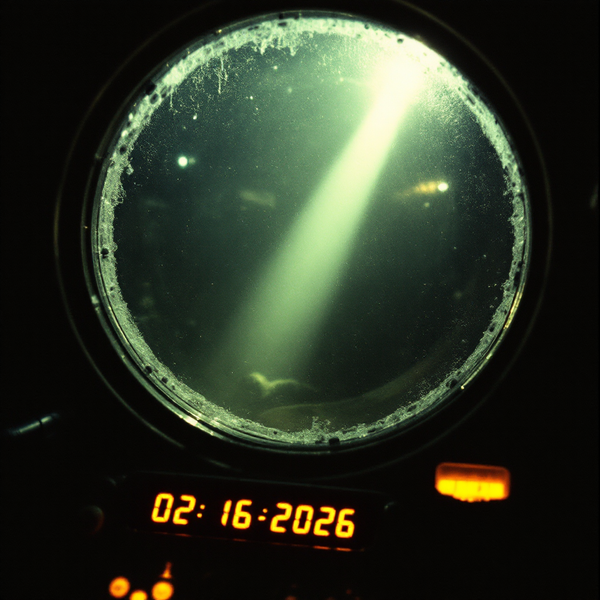
Personal note: It’s happening again. 3:47 AM. The light in the library just shifted to a bruised purple hue. The glass cylinder is glowing. The transcription is complete, and it’s not a map of York. It’s a layout of the flooded chambers I saw in Aqua Temporis. But there is a room at the center that wasn't on the original blueprints. A room labeled The Anchor Suite.
Current Status: The Breach
The York Minster Library is no longer secure. I can hear footsteps on the stone stairs above—heavy, synchronized, Department boots. They followed the "Anchor" signal.
I have realized that the whispering in the satchel isn't just the Professor’s voice. It is the sound of the Third Quieting leaking through the cylinder. It isn't a failure of the event on April 15th; it is a slow-motion erasure of the present. The Professor is the only thing holding the room together.
I have the coordinates for the Scottish Highlands archive. I have the map of the Anchor Suite. I have to believe that if I can reach the phonograph archive, I can play back the "beginning" (arkhē) and pull him back through the Limen.
The door at the top of the stairs just buckled. I’m leaving through the ventilation shaft that connects to the old speaking tubes. If the Professor could use them in Winchester, perhaps they will hold for me here.
Bibliography:
- Professor Blackwood's Field Notes, February 05, 2025.
- The Glass Cylinder at Lake Silent: Evidence of the Third Quieting, December 31, 2025.
- The Submersion Protocol: Secrets Beneath Lake Silent, December 18, 2025.
- Aqua Temporis: The Flooded Archives and the Speaking Tubes of the Deep, December 12, 2025.
- The Council of Constance and the Western Schism, Oxford Historical Press, 1998.
- Etymological Dictionary of Latin and the Other Italic Languages, de Vaan, 2008.